Progressive Overload in Plain Language
Ask the body to do slightly more over time, while keeping the change small enough to recover from.
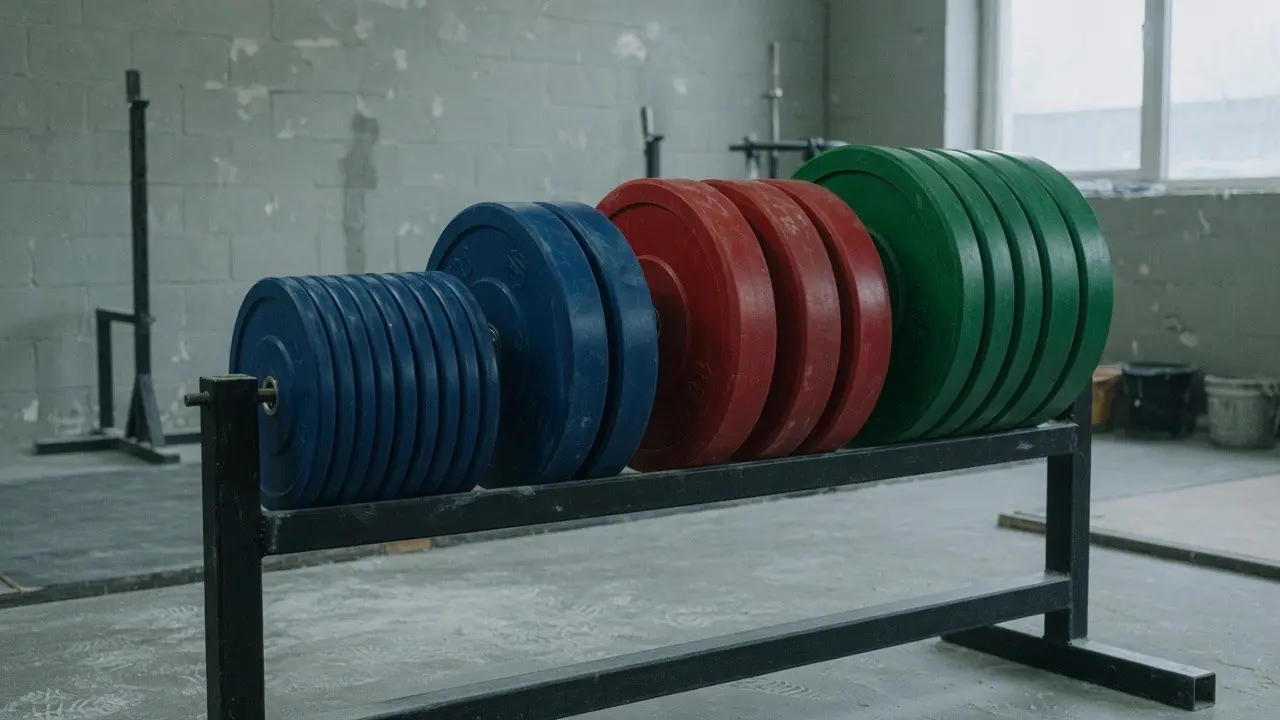
Progressive overload means increasing a training demand over time. It does not mean adding weight in every session.
What can increase
- Load
- Repetitions
- Sets
- Range of motion
- Control or pause duration
- Difficulty of the exercise version
The best variable is the one that moves the goal forward without breaking technique or recovery.
Repeat before you change
A single strong session can be noise. Repeat the same setup and look for stable performance. When the top of your planned range feels controlled across sessions, make one small change.
Keep the comparison fair
Use the same exercise version, similar range and clear set records. A heavier partial repetition is not automatically progress from a lighter full repetition.
Expect uneven weeks
Sleep, illness, stress and other training affect performance. Holding steady or reducing demand can be the correct decision. Progress is visible across a block of training, not guaranteed on every date.
A plain log is enough: exercise, load, repetitions and one note about execution. The record should make the next decision easier.