
Movement · 6 MIN
Walking and Mental Health: A Careful Reading of the Evidence
Walking can support mood and reduce distress for some people. It is useful alongside care, not a substitute for it.
Read articleNo miracle claims and no invented certainty. Each article gives you a practical decision and tells you where the evidence stops.
Walking can support mood and reduce distress for some people. It is useful alongside care, not a substitute for it.
Read article
A compact full-body session for days when travel, equipment and perfect timing are not available.
Read article
Use a sensible range, spread it across meals and adjust for your body, diet and clinical needs.
Read article
Ignore the longest feature list. Check whether the app makes today clear and lets you keep your record.
Read article
Remove the place you dislike and keep the movements that make you stronger.
Read article
Training, food and movement share one day but remain separate enough to act on.
Read article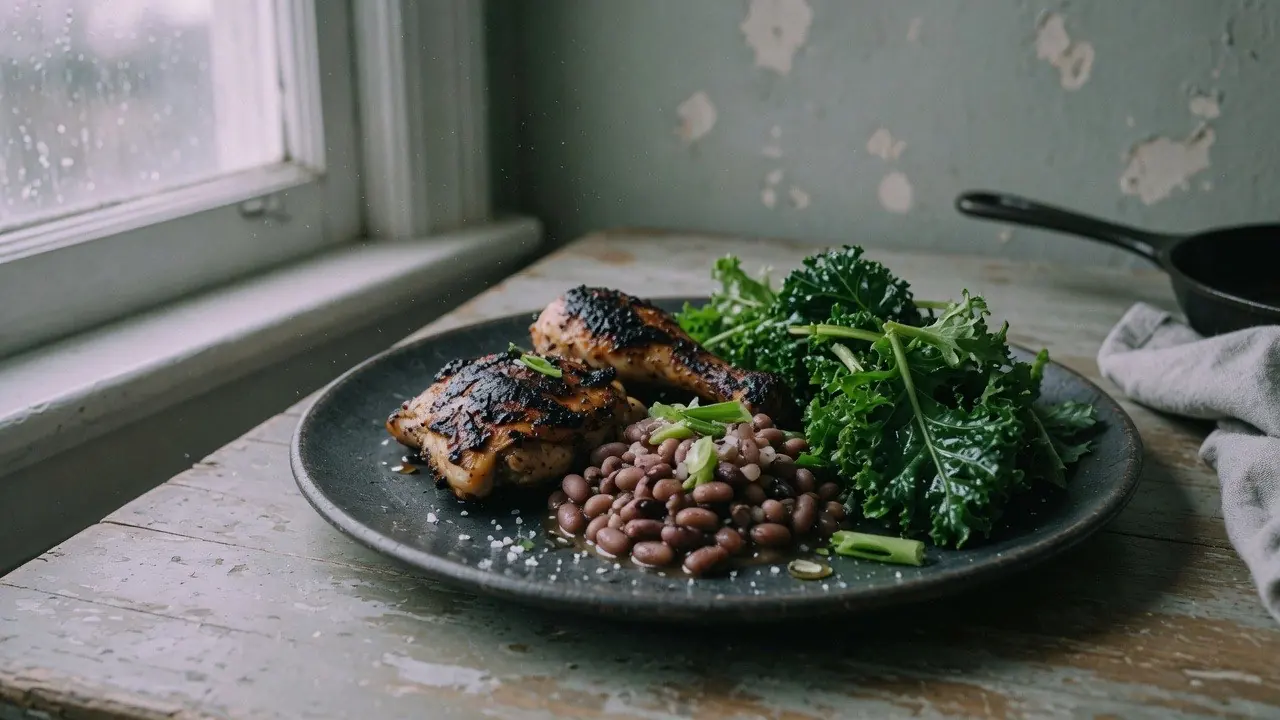
A small set of flexible meal structures for evenings when time and attention are limited.
Read article
Make the first few minutes predictable, then let the session grow from there.
Read article
Start from your own baseline and move it gradually instead of borrowing a round number.
Read article
Build a week you can understand before you build one that impresses you.
Read article
Choose the lightest form of logging that still answers your question.
Read article
Ask the body to do slightly more over time, while keeping the change small enough to recover from.
Read article