Keep a Food Record Without Letting It Run the Day
Choose the lightest form of logging that still answers your question.
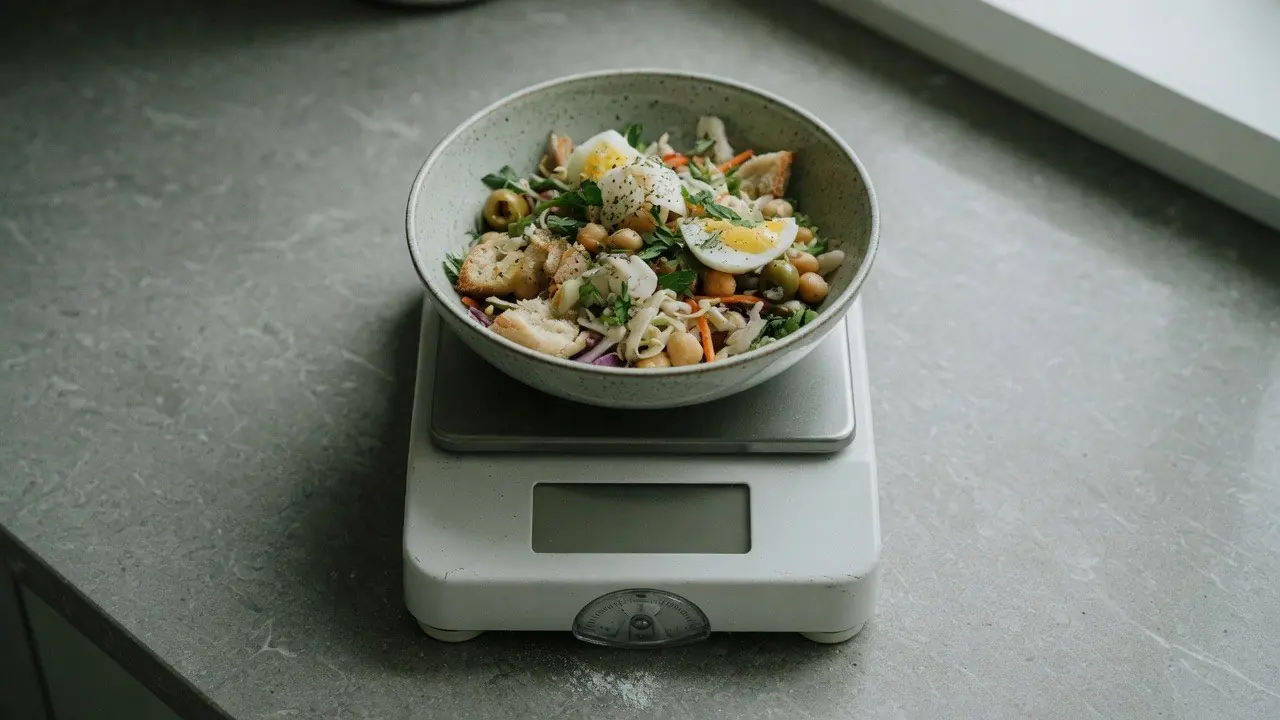
A food record is a tool. It is useful when it reveals a pattern and harmful when maintaining the record becomes more important than eating.
Start with the question
Are you trying to remember meals, notice protein sources, understand training fuel or share a short record with a professional? The question decides the level of detail.
Use the lightest method
A simple meal name may be enough. A photo can preserve context. Ingredient detail is useful when you are checking a specific pattern. Exact weighing is not automatically more honest if it makes the routine impossible to sustain.
Avoid moral labels
Record what the meal contained and how it fitted the day. Good and bad labels add judgement without adding information.
Review by week
One meal rarely explains a trend. Look for repeated gaps, timing problems or meals that reliably support training. Make one practical change and then collect another week of evidence.
The record should help you eat with more clarity. It should never require you to perform your meals for the app.